
01
Find the leaks
We walk the home and identify where conditioned air is escaping.
Serving communities across the West — and growing
929 W. Sunset Blvd Ste 21-112, St. George, UT
Air Sealing
Air sealing closes the small gaps an existing home loses conditioned air through. It is a cost-effective way to make your home more comfortable and less expensive to run.
Serving St. George, Cedar City, Hurricane, Washington, Ivins/Santa Clara & SunRiver
In plain terms
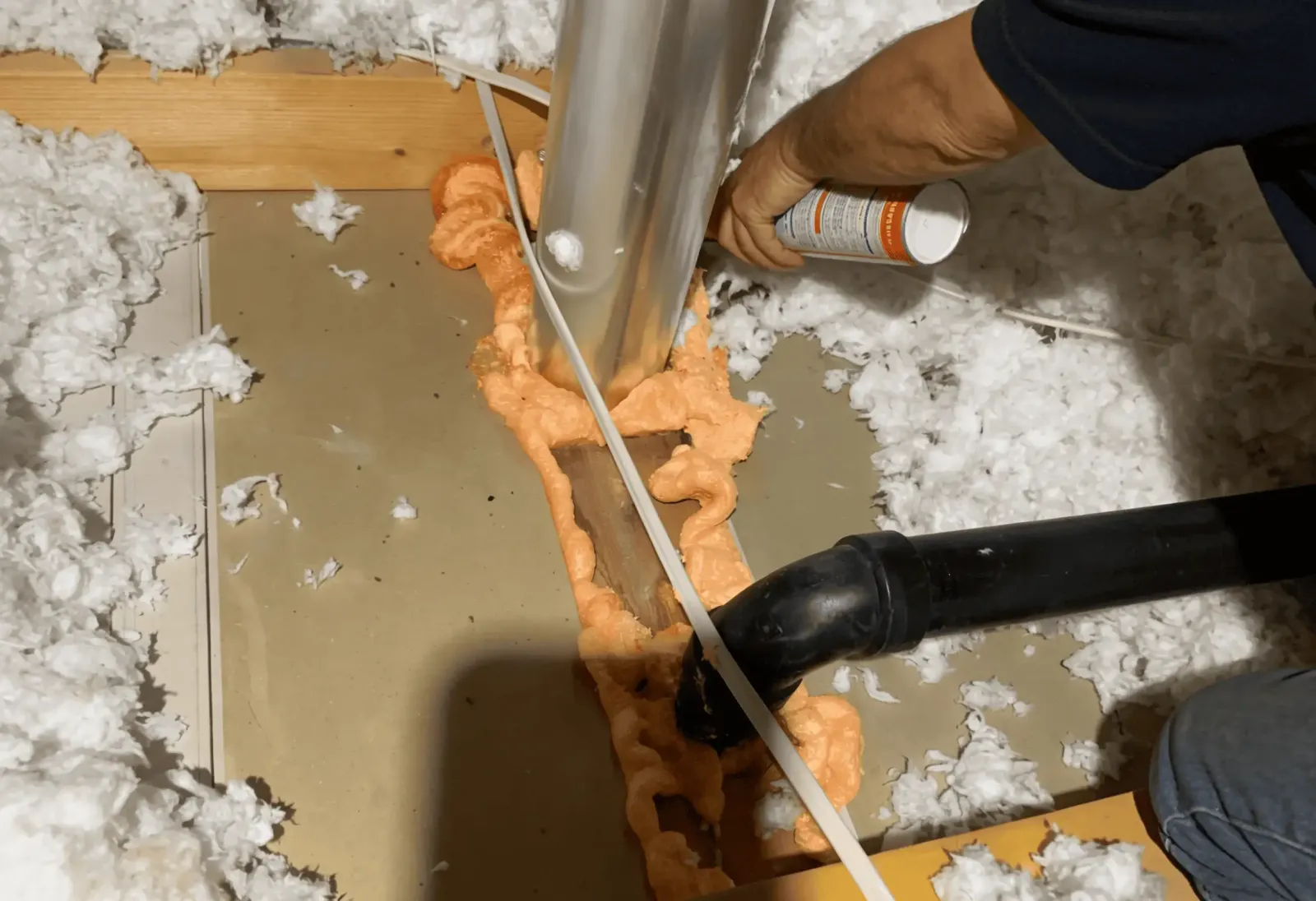
Air sealing finds and closes the gaps and cracks where outside air leaks into your home and conditioned air leaks out — around attic hatches, top plates, and pipe or wiring penetrations.
Caulking and weather-stripping are the two simplest and most common air sealing techniques — inexpensive materials and a straightforward install. Air sealing alone does not replace proper insulation, which slows heat moving through the building envelope — the two work together.
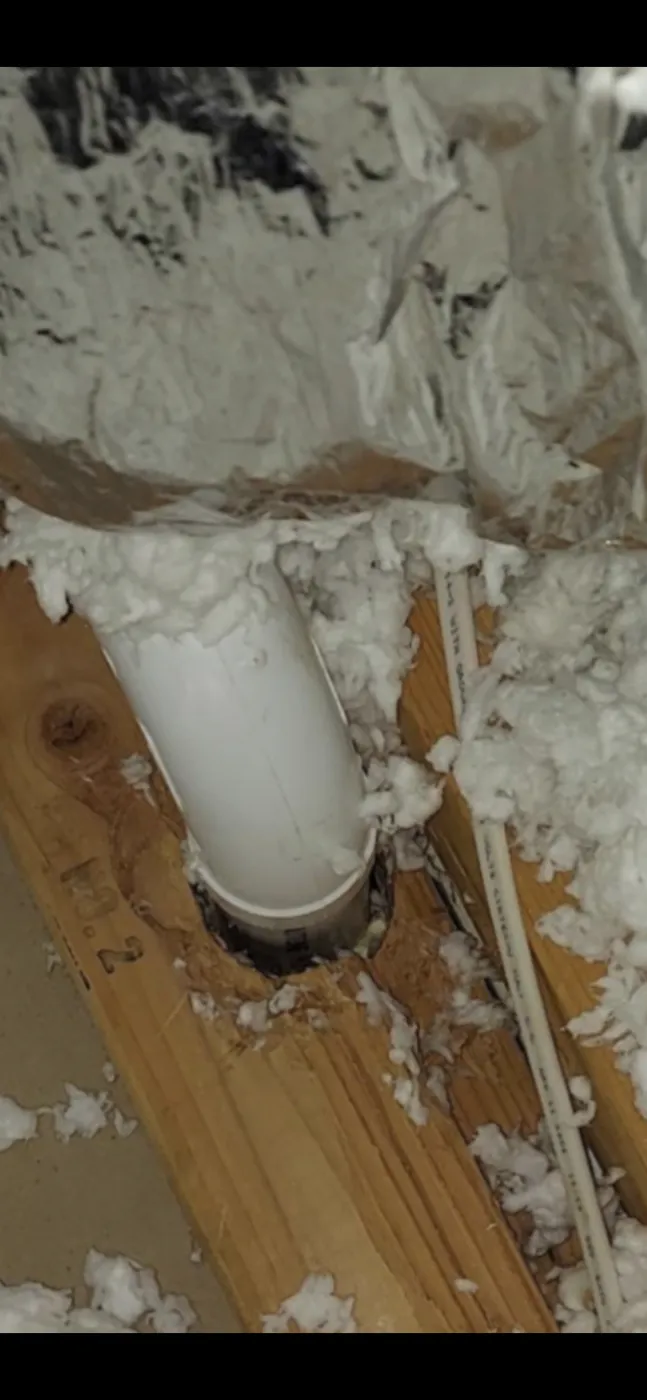 Before
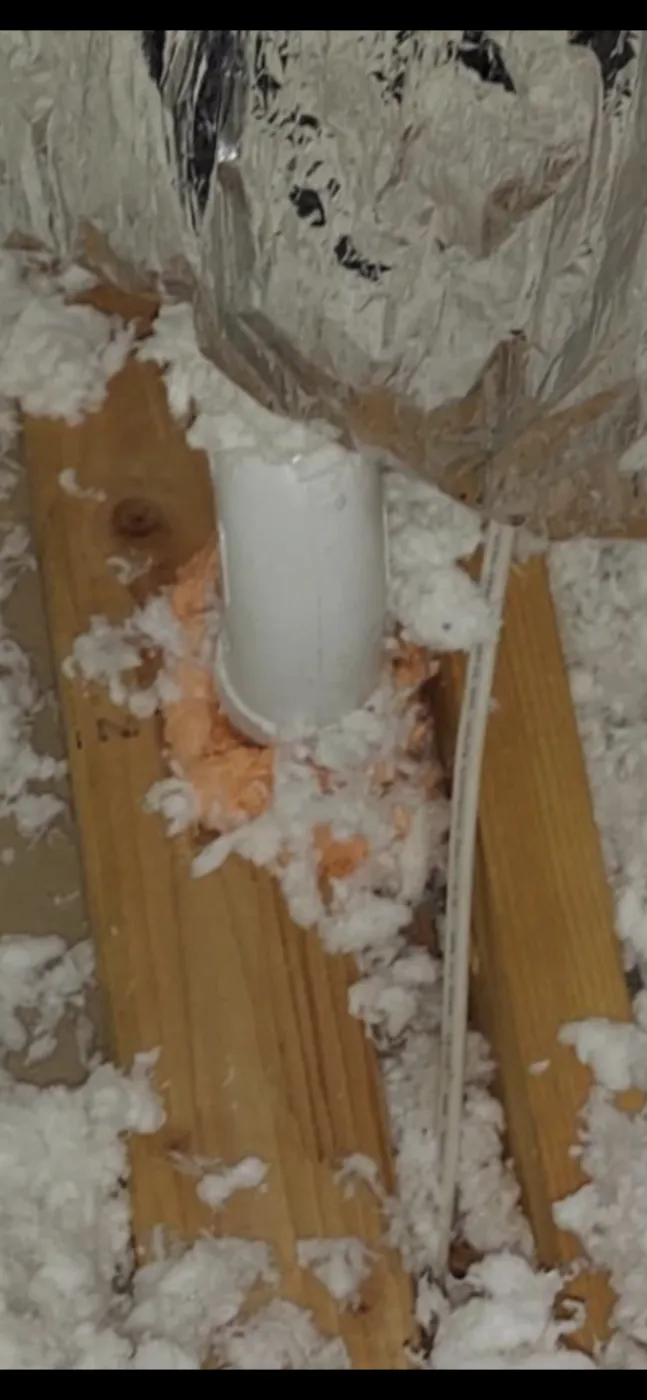 After
Rebates & tax credits
Air sealing is frequently paired with insulation in rebate programs — federal 25C and utility rebates can apply when it is part of a qualifying project.
The Inflation Reduction Act’s 25C credit toward qualifying home insulation and efficiency upgrades.
Rocky Mountain Power runs an insulation rebate for qualifying work. (Dixie Power rebates cover heat pumps and electrical, not insulation.)
Efficiency-program incentives that can stack on top of federal and utility savings.
What you get
A walkthrough that identifies where your home leaks air
Caulking of gaps around framing and penetrations
Weather-stripping where it supports the recommended air-sealing work
Our 100% satisfaction guarantee on the work performed
A drafty home makes the furnace and AC work harder than they should. Sealing the leaks improves durability, cuts heating and cooling costs, increases comfort, and creates a healthier indoor environment.
Our process
A short, predictable sequence for this specific service — guided by the findings from your home energy-efficiency inspection.
We walk the home and identify where conditioned air is escaping.
We caulk cracks and penetrations and weather-strip movable openings.
We review what was sealed and how it works alongside your insulation.
Our Promise
Our 100% satisfaction guarantee covers installation quality, with redo-or-refund provisions. We do not consider a job done until you are satisfied with the work.
No obligation
Book a free home energy inspection. We will confirm whether this is the right fix for your home and quote the work — with no obligation.
Prefer to talk it through? Call 435-216-3130 — a real person picks up.
Common questions
A few of the questions homeowners ask most about this service. The full list lives on our FAQ page.
Insulation slows heat moving through the attic and ceiling. Air sealing closes the gaps where conditioned air escapes and outside air leaks in. They solve different problems and work best together — sealing the leaks first means the insulation you add actually does its job.
“Our 50-year-old house needed help, and we were so glad to find an honest company that knew exactly what to do. Now we are sealed up tight, with rebates on top of it.”
Air sealing is one of the most affordable efficiency upgrades — inexpensive materials and a straightforward install. The change most homeowners feel is comfort: the drafts in the rooms you use every day drop as soon as the work is done. How much it moves a utility bill varies from home to home, so we focus on the comfort and durability you can actually count on.
“They were fair and very professional and completed the work in a timely manner. Since having the work done, our house is much warmer — we have not even turned on our bedroom heater.”
The biggest leaks are usually hidden — attic hatches, the top plates where walls meet the attic, and the gaps around plumbing, wiring, and recessed lights. We walk the home to find where conditioned air is actually escaping rather than guessing from the obvious spots.
“They came and inspected the attic and were very thorough about what needed to be done. They listened to our needs and did exactly what we asked for, at a very reasonable price.”